

.webp&w=3840&q=75)
Hair transplantation has become one of the most trusted cosmetic solutions for people struggling with thinning hair, receding hairlines, and pattern baldness. With modern technology and refined surgical methods, results now look natural and long-lasting. Still, many individuals hesitate before taking the step because they worry about possible complications and recovery challenges. Understanding what actually happens after the procedure helps remove fear and allows patients to prepare realistically for the healing process.
In recent years, Hair Transplant in Riyadh has gained massive popularity due to advanced techniques and experienced specialists. Many patients researching hair transplant in riyadh want to know whether side effects exist and if they are permanent. The truth is that most reactions after a transplant are temporary and part of normal healing. The procedure works by relocating healthy follicles from donor areas to thinning zones, so the scalp needs time to adapt and regenerate. Knowing what is normal and what requires attention makes the journey smoother and less stressful.
Why Side Effects Happen After Hair Transplant
The scalp is a sensitive organ rich in blood vessels and nerve endings. During transplantation, tiny incisions are made to insert hair follicles. Even though the process is minimally invasive, the body naturally reacts to repair the treated area. This repair response is what causes swelling, redness, and mild discomfort. These are not complications but signs that healing has begun.
Patients should also understand that hair follicles temporarily enter a resting phase after relocation. This biological reaction, known as shock loss, can make transplanted hair shed before new growth begins. While alarming at first, it is a predictable and essential step toward thicker hair.
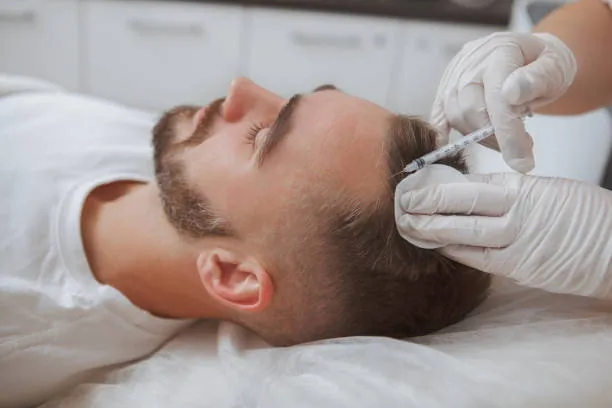
Common Temporary Side Effects
Redness and Sensitivity
After the procedure, the scalp may look pinkish for a few days. This occurs because blood circulation increases to repair micro-wounds. Sensitive skin types may notice redness slightly longer, but it gradually fades without treatment.
Swelling Around Forehead
Some people experience mild swelling moving from scalp to forehead. It typically appears within two to three days and disappears naturally within a week. Hydration and proper head elevation during sleep help reduce this reaction.
Itching During Healing
As new skin forms, itching may occur. This is a positive sign of recovery rather than infection. Patients must avoid scratching because it can disturb grafts. Doctors usually recommend gentle washing and soothing lotions to manage the sensation.
Less Common but Possible Reactions
Although rare, certain effects can appear depending on skin type, aftercare routine, and overall health. Small scabs form around transplanted follicles and fall off naturally within ten days. Temporary numbness may also occur because tiny nerves were affected during implantation. Sensation gradually returns as nerves heal.
In rare cases, minor pimples may develop when new hair begins to grow. This simply means follicles are pushing through the skin surface. Keeping the scalp clean resolves the issue quickly.
Can Hair Transplant Cause Permanent Damage?
Modern techniques are designed to prevent permanent complications. When performed correctly, Hair Transplant in Riyadh does not damage existing hair or create lasting scars beyond tiny invisible marks. Permanent issues usually occur only if aftercare instructions are ignored, such as scratching grafts, exposing scalp to sun, or using harsh products too early.
Following medical advice significantly lowers risk. Patients who protect their scalp and avoid strenuous activities during early healing typically enjoy smooth recovery and natural growth within months.
Recovery Timeline and Expectations
The first week focuses on healing. Scabs fall off within ten days, and the scalp regains comfort. During the second to fourth week, transplanted hair sheds, which is completely normal. By the third month, early growth becomes visible, and density improves gradually over six to twelve months.
Patience plays a major role in satisfaction. Hair restoration is a biological process rather than an instant cosmetic change. The final appearance depends on follicle adaptation and growth cycles, not just the surgery itself.
How to Reduce Side Effects
Proper Aftercare Routine
Gentle cleansing, avoiding heat exposure, and sleeping with head elevation support faster healing. The scalp should be treated delicately because grafts are fragile during the first days.
Healthy Lifestyle Support
Balanced nutrition, hydration, and avoiding smoking improve blood circulation and follicle survival. Recovery depends not only on the procedure but also on how well the body heals itself.
Long-Term Maintenance
Regular follow-ups ensure new hair grows evenly. By following professional recommendations, patients maximize density and avoid unnecessary concerns after Hair Transplant in Riyadh.
Frequently Asked Questions
Is pain normal after Hair Transplant in Riyadh?
Mild soreness or tightness is expected during the first few days, but it usually fades quickly and can be controlled with prescribed medication.
Will transplanted hair fall out permanently?
No. Shedding occurs temporarily before regrowth begins. New hair emerges stronger after the resting phase.
How long do side effects last?
Most reactions like redness and swelling disappear within one week, while numbness may take a few weeks to resolve.
When can I return to normal activities?
Light routines can resume after several days, but intense exercise should wait about two weeks to protect graft stability.
Consultation and Professional Guidance
Before making a decision, discussing expectations with specialists is essential. At Enfield Royal Clinic, consultations help evaluate scalp condition, donor strength, and realistic outcomes. Personalized guidance allows patients to understand recovery stages and minimize worries about side effects.